
As technology rapidly advances, the legal landscape in Los Angeles is evolving just as quickly—especially when it comes to car accident claims. Traditional methods of proving fault are being replaced by precise, data-driven evidence from AI dashcams and other digital technologies. For Los Angeles drivers and accident victims, understanding how this innovation works could make the difference between a denied claim and a fair settlement.
Understanding AI Dashcams
AI (artificial intelligence) dashcams are not just cameras; they are intelligent systems that analyze driving patterns, detect collisions, and capture data before, during, and after an accident. Unlike standard dashcams that simply record video, AI versions use machine learning and motion detection to identify risky driving behaviors, sudden braking, and points of impact.
Some advanced models integrate cloud-based storage, GPS mapping, and telematics (vehicle data sensors). This means footage is securely uploaded to remote servers and protected from tampering. In Los Angeles, where disputed claims are common, these devices provide verifiable, time-stamped proof that can support your case in court or during insurance negotiations.
How They Work
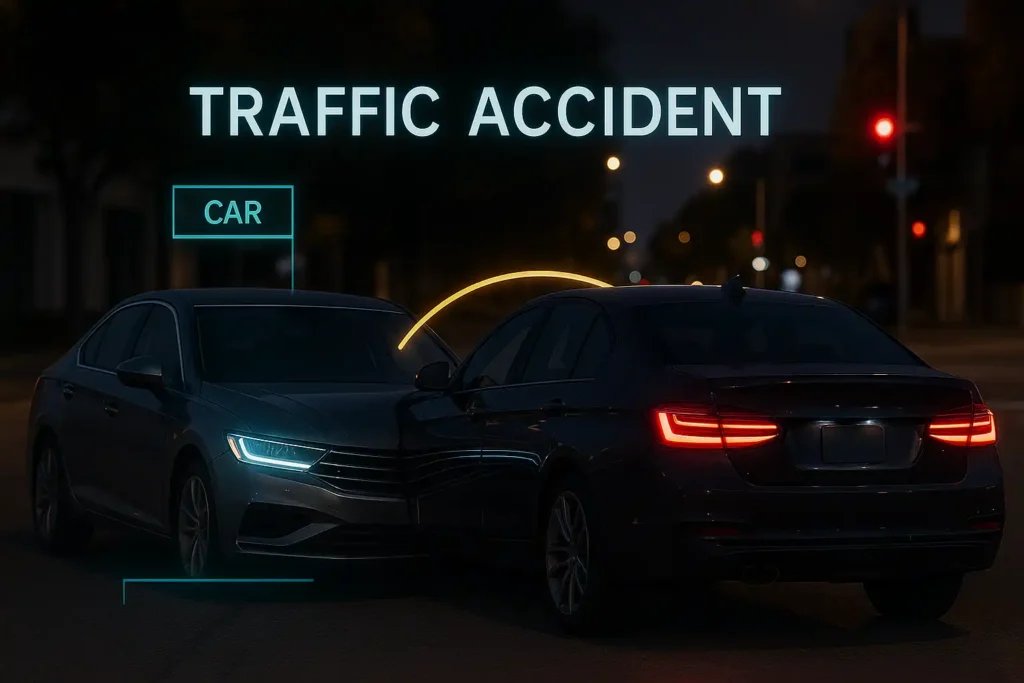
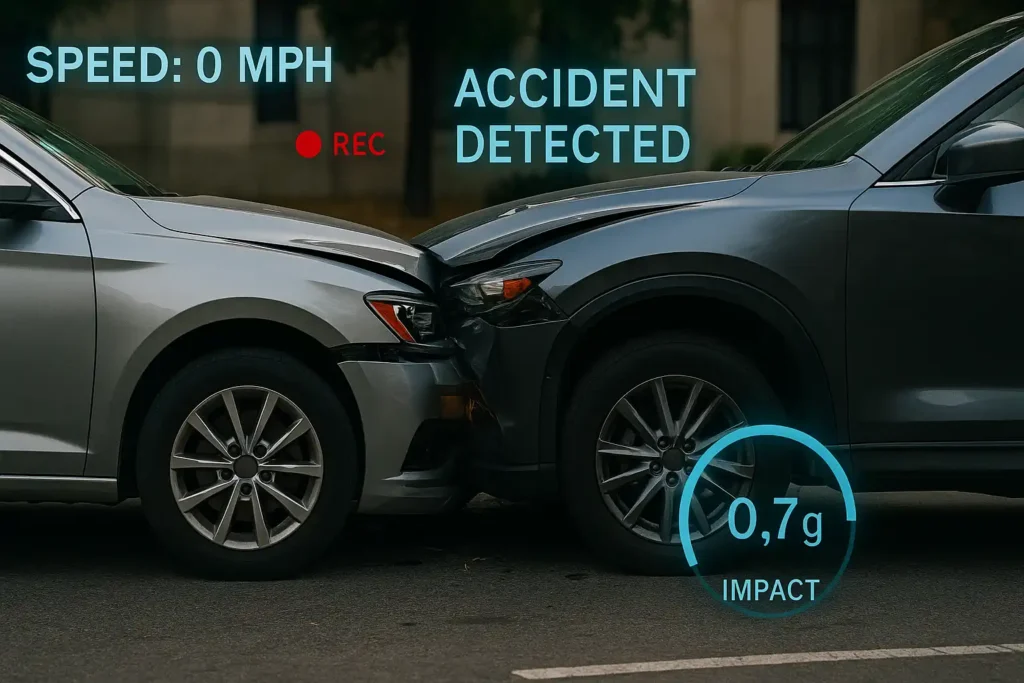
AI dashcams process multiple data streams simultaneously — including video, speed, acceleration, and even driver facial recognition to detect fatigue. For example, if a driver in downtown LA slams on the brakes at a red light, the dashcam records not just the footage but also the G-force impact and timestamp, creating an uneditable digital footprint. When reviewed by your attorney, this data can help prove who was at fault.
The Role of Digital Evidence in Car Accident Claims
In any Los Angeles car accident case, evidence determines the outcome. While witness statements and police reports are valuable, they often contain inconsistencies or gaps. That’s where digital evidence—especially from AI dashcams, onboard sensors, and mobile data—comes in. These tools create an unbiased, minute-by-minute account of events leading to a collision.
Digital data can include:
- GPS locations and timestamps showing exact speed and position
- Audio cues and impact alerts verifying sudden collisions
- Cloud-stored video files resistant to deletion or manipulation
- Telemetry data linking mechanical conditions (like brake pressure or steering angle) to driver actions
This level of detail is invaluable for attorneys handling Los Angeles car accident evidence cases. It removes ambiguity and gives victims a stronger platform to demand fair compensation.
How Insurance Companies Use This Data
Insurance adjusters are increasingly analyzing AI-generated evidence to validate claims. However, they may also use it against you—especially if the footage seems to show partial fault. For this reason, it’s critical to have an attorney review the data before releasing it. A seasoned lawyer can interpret the footage accurately, counter misinterpretations, and ensure it works in your favor.
Legal Benefits of Using AI Dashcams
According to the National Highway Traffic Safety Administration (NHTSA), AI-enhanced dashcams are part of the growing ecosystem of intelligent transportation safety systems. Beyond road safety, they hold immense value for legal cases. Here’s how they can strengthen your claim:
- Establishing Fault: Objective data shows who caused the crash, even when witnesses disagree.
- Supporting Injury Claims: Timestamped impact evidence helps doctors and lawyers connect injuries directly to the accident.
- Preventing False Accusations: Dashcam footage can disprove fabricated stories or staged accidents.
- Documenting Environmental Factors: AI can detect weather, road conditions, and obstacles that contributed to the crash.
- Speeding Up Claim Settlements: Insurers often settle faster when presented with clear, indisputable evidence.
Admissibility of Digital Evidence in California Courts
California law generally allows video and electronic evidence as long as it meets three conditions: authenticity, relevance, and reliability. Cloud-synced AI dashcam data meets all three. However, tampered or edited files can be rejected, so maintaining original metadata is essential. Attorneys can use chain-of-custody documentation to show that digital footage has not been altered.
Privacy and Consent Considerations
It’s important to note that while dashcams are legal in California, there are limits. The state’s privacy laws prohibit recording conversations without consent. As long as the device records public spaces (like roads and highways) and not private audio, it’s fully compliant. Still, your Los Angeles car accident lawyer can help you navigate these nuances and ensure the data is used properly.
AI Dashcams vs. Traditional Evidence
Traditional evidence—like eyewitness testimony or police reports—relies on human perception and memory. In contrast, AI evidence offers an unfiltered, automated record of reality. It can detect milliseconds of detail that humans would miss. For example, a witness may misjudge which vehicle entered the intersection first, but AI video paired with telemetry data can pinpoint the sequence down to a fraction of a second.
In high-stakes cases involving severe injuries or disputed liability, this level of precision can turn a weak case into a strong one.
How Attorneys Use AI Dashcam Evidence
Experienced car accident lawyers now integrate AI data into a broader litigation strategy. They combine it with medical records, police documentation, and expert reconstructions to create a clear narrative of what happened.
In many cases, attorneys work with forensic analysts to decode raw dashcam files, extract metadata, and even reconstruct 3D accident models. These visual reconstructions can be powerful in settlement discussions or court presentations, leaving no room for doubt about who was responsible.
Challenges of Digital Evidence
While powerful, AI-generated evidence isn’t without challenges. Some insurers argue that footage only tells part of the story — for example, it may not capture driver distraction or road glare. Additionally, storage and encryption issues can make data retrieval difficult without technical assistance. Victims should back up their footage immediately and contact legal help before sharing it with any insurer.
Moreover, deepfake technology and video editing tools have raised concerns about evidence manipulation. To counter this, legitimate AI dashcam systems use encryption and digital signatures, verifying authenticity through timestamps and serial identifiers.
Future Trends: AI and Legal Innovation in Los Angeles
Los Angeles, known for its tech-forward culture, is becoming a testing ground for legal technology integration. In the coming years, expect to see more vehicles equipped with AI sensors, collision-detection algorithms, and automatic claim-reporting systems. Attorneys will increasingly rely on digital forensics experts to interpret data from multiple sources—dashcams, smartphones, and even smart infrastructure like traffic cameras.
Eventually, this data may form the foundation for real-time accident claim submissions, reducing delays and disputes between drivers, insurers, and lawyers. As LA drivers understand their rights, this technology will empower them to prove liability instantly and accurately.
Practical Tips for LA Drivers
- Invest in a high-quality AI dashcam with GPS and cloud storage.
- Ensure timestamps and geolocation features are enabled at all times.
- Do not overwrite or delete footage after an accident — preserve it immediately.
- Always review the footage with your attorney before providing it to insurers.
- Keep multiple backups (cloud and physical) to maintain evidence integrity.
Conclusion
The integration of AI dashcams and digital evidence has changed the way Los Angeles car accident claims are built and resolved. These technologies eliminate doubt, strengthen negotiations, and give victims a level playing field against powerful insurance companies. As these tools become standard, the smartest move any driver can make is to combine cutting-edge evidence with experienced legal representation.
If you’ve been in a car accident, consult a qualified Los Angeles automobile accident attorney familiar with AI and digital forensics. They’ll ensure your evidence is handled correctly, presented effectively, and used to secure the compensation you rightfully deserve.
For more insights, read related guides like The Role of Evidence in Securing Compensation for LA Car Accident Victims and Understanding Your Rights After a Car Accident in Los Angeles.