
A Los Angeles drunk driving accident claim can become serious from the first moment after impact. Alcohol and drug impairment can turn a normal drive into a violent crash. A drunk or drugged driver may speed, drift, miss a red light, turn across traffic, follow too closely, or fail to brake at all.
Los Angeles drivers already deal with heavy traffic, late-night congestion, freeway merges, rideshare activity, delivery vehicles, and crowded entertainment areas. When impairment enters that mix, the risk rises fast. A victim may suffer broken bones, brain trauma, spine injuries, internal injuries, burns, scarring, emotional distress, or permanent disability.
The legal issue is not only whether the driver received a DUI. A civil injury claim must show fault, causation, damages, and available insurance. A DUI arrest can help, but it does not automatically pay the victim’s medical bills. The injured person still needs strong evidence.
Insurance companies may also fight these cases. They may dispute injury severity, blame another driver, question treatment, or argue that the victim shares fault. That is why a strong claim should use police records, medical proof, witness statements, video, vehicle data, and crash-scene evidence.
Why Drunk and Drugged Driving Claims Matter in Los Angeles
Impaired driving remains one of the most dangerous traffic problems in California. Alcohol can slow reaction time, reduce judgment, blur vision, and make drivers overconfident. Drug impairment can also affect coordination, attention, perception, and decision-making.
The National Highway Traffic Safety Administration says drunk-driving crashes killed 11,904 people in 2024. NHTSA also states that about 30% of all traffic crash deaths involve drunk drivers with a blood alcohol concentration of .08 or higher. Readers can review the official safety source here: NHTSA drunk driving safety information.
California has its own serious problem. The California Office of Traffic Safety says alcohol-impaired driving remains one of the primary causes of deadly and serious injury crashes on California roads. OTS reported 1,355 deaths in alcohol-involved crashes in California in 2023. Readers can review the official source here: California OTS alcohol-impaired driving data.
A Los Angeles drunk driving accident claim should not stop at the DUI label. The claim should investigate how the crash happened, what the impaired driver did, whether other parties contributed, and how the victim’s life changed.
Alcohol impairment can strengthen liability evidence
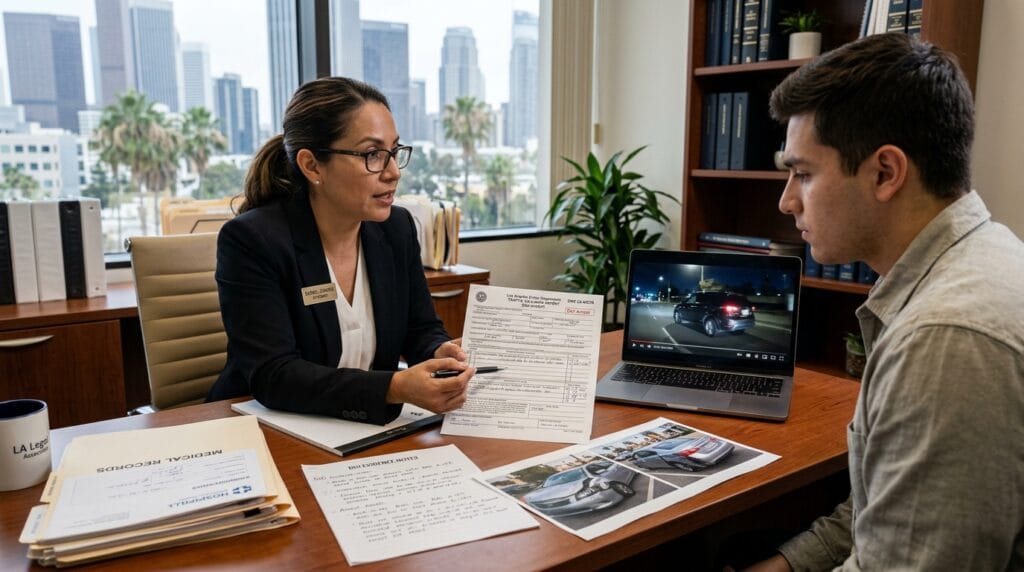
Alcohol evidence can make a fault claim stronger. A driver with a high blood alcohol level may have reacted too late, made a dangerous turn, crossed lanes, or ignored traffic signals. Those facts can support negligence.
Police reports often matter in these cases. Officers may record the driver’s odor of alcohol, slurred speech, red eyes, poor balance, admissions, field sobriety tests, breath results, blood results, arrest details, and witness statements. Those details can help explain why the crash happened.
A DUI arrest and a civil injury claim are separate. The criminal case focuses on punishment. The civil claim focuses on compensation for the injured victim. The victim may still pursue damages even if the criminal case takes time or ends with a plea.
DUI arrests, BAC evidence, and police reports can support the claim
Blood alcohol concentration evidence can be powerful. A result at or above the legal limit may support the argument that the driver acted unsafely. A lower result may still matter if alcohol affected the driver’s ability to operate the vehicle safely.
Police bodycam footage, dashcam footage, 911 calls, and witness statements may also help. A witness may have seen the driver speeding, drifting, or running a red light before the crash. Another witness may have heard the driver admit drinking.
Victims should request the police report when available. They should also preserve their own evidence. Photos, videos, medical records, repair estimates, and witness names can strengthen the claim.
Punitive damages may come up in severe DUI cases
Some DUI crash cases may raise questions about punitive damages. These damages are different from medical bills or lost wages. They focus on punishing especially dangerous conduct and deterring future harm.
Not every drunk driving crash supports punitive damages. The facts matter. Evidence of heavy drinking, prior DUI history, extreme speeding, fleeing the scene, or knowingly driving while impaired may affect the analysis.
Victims should not assume punitive damages apply automatically. However, they should also avoid accepting a quick settlement before the full facts are reviewed.
Drugged driving claims can be harder to prove
Drugged driving can create harder evidence issues than alcohol impairment. Alcohol has a widely known legal BAC limit. Drug impairment is often more complex. A driver may have marijuana, opioids, sleep medication, anxiety medication, stimulants, or other drugs in their system.
NHTSA warns that driving while impaired by any substance is dangerous. This includes alcohol, marijuana, opioids, methamphetamines, prescription medication, and over-the-counter medication. Readers can review the official source here: NHTSA drug-impaired driving guidance.
A drug test result alone may not answer every question. The claim may need to show how the substance affected driving. Evidence may include lane drifting, delayed braking, confusion, slow reaction, police observations, toxicology reports, and witness statements.
Marijuana, prescription drugs, and mixed substances can complicate fault
Drug impairment cases often involve disputes. A driver may claim a medication was legal. They may say marijuana use happened hours earlier. They may argue that the crash had nothing to do with impairment.
A legal prescription does not give someone permission to drive unsafely. Medication labels often warn about drowsiness, dizziness, or slowed reaction time. Cannabis can also affect attention and judgment. Mixed substances can make impairment worse.
Your site already has a related article on Los Angeles drowsy driving accident claims. That internal link fits well because medication, fatigue, and impairment can overlap in crash investigations.
How to Protect a Los Angeles DUI Accident Claim
After a suspected impaired driving crash, safety comes first. Call 911. Request medical help. Move to a safer location if possible. Do not argue with the impaired driver. Some drivers may act confused, angry, or unpredictable after a crash.
Tell officers what you observed. Mention alcohol odor, drug use, erratic driving, swerving, speeding, red-light running, delayed braking, or unsafe turns. If the driver tried to leave, tell police immediately.
Take photos and videos if you can do so safely. Capture vehicle positions, damage, road markings, traffic signs, debris, skid marks, lighting, weather, and nearby cameras. Get names and phone numbers from witnesses before they leave.
Medical care is critical. Some injuries appear right away. Others develop hours or days later. Headaches, neck pain, back pain, dizziness, numbness, shoulder pain, knee pain, and anxiety should be documented by medical providers.
Evidence can decide the value of the claim
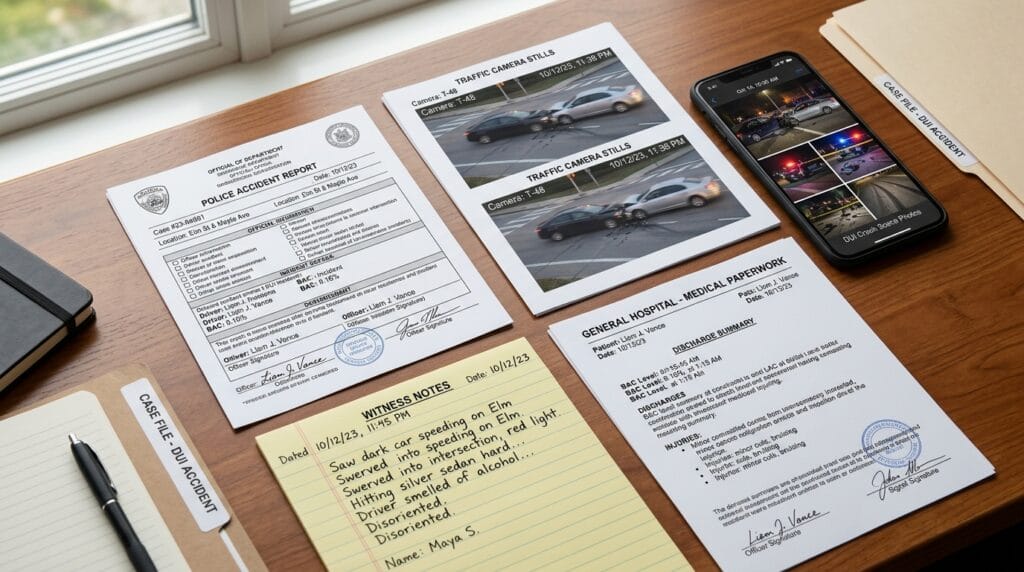
A strong Los Angeles drunk driving accident claim should include crash proof and injury proof. Crash proof may include police reports, DUI test results, bodycam footage, dashcam footage, vehicle data, witness statements, bar receipts, rideshare records, and surveillance video.
Injury proof may include emergency records, imaging, doctor notes, therapy records, surgery reports, medication records, work restrictions, wage loss documents, and symptom journals. Together, these records show both fault and damages.
Your site already has a helpful guide on Los Angeles distracted driving accident claims. That internal link supports this topic because phone data, screen use, and digital records can also appear in impaired driving cases.
Hit-and-run evidence may matter too. Some impaired drivers flee because they fear arrest. If that happens, your article on Los Angeles hit-and-run accident claims can help readers understand the next steps.
Do not give a rushed insurance statement
Insurance adjusters may call soon after the crash. They may sound friendly. Their job is still to protect the insurer. They may ask questions that shift blame or minimize the injury.
Do not guess about speed, timing, distance, or alcohol levels. Do not say you feel fine if pain continues. Do not accept blame before the evidence is reviewed. Keep statements factual and brief.
California uses comparative fault in injury claims. That means an insurer may try to assign part of the blame to the victim. Strong evidence can push back against unfair blame.
Settlement should wait until future damages are clear
A DUI crash can cause long-term harm. Victims may need surgery, therapy, pain care, counseling, specialist visits, or months away from work. Some injuries affect driving, sleep, memory, family life, and earning ability.
A quick settlement may not include future treatment. It may also ignore lost income, reduced earning capacity, emotional distress, permanent pain, scarring, and disability. Once a release is signed, the claim usually ends.
Before settling, review the full damage picture. Medical bills, future care, missed work, property damage, pain and suffering, transportation costs, and long-term limitations may all matter.
A drunk or drugged driver can change a victim’s life in seconds. The claim should not depend only on the insurance company’s first offer. DUI evidence, toxicology records, police reports, witness statements, video, vehicle data, and medical documentation can all affect the outcome.
If you were hurt by an impaired driver in Los Angeles, act quickly. Get medical care, report the crash, preserve evidence, avoid rushed statements, and review all sources of compensation. For more legal guidance, visit the Los Angeles Automobile Accident Attorney services page or explore the Los Angeles auto accident blog.