
Most people think of a car accident as something that happens in a lane of traffic. That is not always how serious crashes happen in Los Angeles. In some of the most devastating cases, a driver leaves the roadway completely, jumps a curb, strikes pedestrians, or crashes into a storefront, restaurant, sidewalk, or other commercial property. These crashes are violent, chaotic, and often far more dangerous than a typical rear-end collision because victims have no time to react and almost no protection from impact.
That issue has taken on new urgency in 2026. Los Angeles recently saw a high-profile Westwood crash in which a driver struck a bicyclist and then plowed into a grocery store, killing three people and injuring several others. Cases like that remind people of a hard truth: some of the worst automobile injury claims do not happen between two cars. They happen when a vehicle enters a space where people reasonably expect to be safe. The sidewalk. A storefront. A parking area. A business entrance.
If you were injured in one of these crashes, or if a family member was hurt when a car left the road, the legal issues may be broader than you think. These cases can involve driver negligence, medical episodes, property-owner safety design, commercial insurance, and questions about whether barriers or warning measures should have prevented the crash from becoming catastrophic.
Why Storefront and Sidewalk Crashes Matter More in Los Angeles
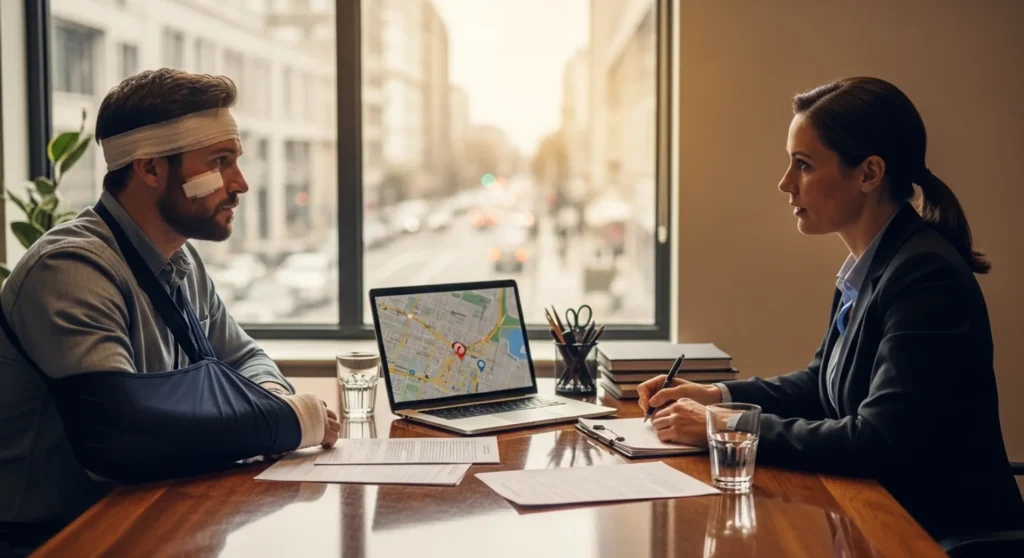
Los Angeles has the exact kind of traffic environment that makes these collisions especially dangerous. Busy commercial corridors, dense retail areas, angled parking, distracted driving, rideshare traffic, delivery vehicles, and heavy pedestrian activity create constant opportunities for a single driving mistake to turn into a multi-victim disaster.
Unlike a standard two-car collision, storefront and sidewalk crashes often involve people who were not traveling at all. Victims may be walking into a store, standing outside a business, waiting at the curb, sitting at an outdoor dining area, or riding a bicycle near the roadway. That makes the injuries especially severe and the emotional impact even worse.
How These Crashes Usually Happen
A vehicle-into-building or sidewalk crash can happen for a number of reasons. Some are pure negligence. Others involve more complicated facts. Common causes include:
- Distracted driving
- Speeding or aggressive driving
- Drunk or drug-impaired driving
- Driver confusion between the brake and accelerator
- Medical emergencies behind the wheel
- Fatigue
- Panic during parking maneuvers
- Failure to yield in a crowded pedestrian area
In some Los Angeles cases, the driver may have been operating normally until the final seconds. In others, the crash may be part of a chain event, such as striking another vehicle, hitting a bicyclist, or losing control before entering the sidewalk or building. That is why a detailed investigation matters so much.
Who Can Be Liable in a Storefront or Sidewalk Crash?
Most people assume the driver is the only responsible party. Often that is true, but not always. Depending on the facts, several different parties may share liability.
1. The Driver
The driver is usually the first place to look. If the crash resulted from distraction, speeding, impairment, reckless behavior, or simple loss of control, the driver may be directly liable for the injuries and losses caused.
2. An Employer or Commercial Vehicle Owner
If the vehicle was being used for work, such as a delivery route, service call, or company errand, an employer may also be responsible. This can matter in cases involving fleet vehicles, contractors, rideshare activity, or business-owned cars.
3. A Vehicle Manufacturer or Repair Provider
If the driver claims the brakes failed, the accelerator stuck, the steering malfunctioned, or another vehicle defect caused the loss of control, the case may involve product liability or negligent repair issues.
4. A Property Owner or Business
In some cases, the design of the property itself may become part of the claim. If a business had no protective bollards, barriers, or other basic safety features in a high-risk area where pedestrian traffic was expected, that issue may deserve closer review. Not every property owner is liable, but in the right case, premises design can become relevant.
Why These Injury Cases Are Often More Serious
Storefront and sidewalk crashes often cause devastating injuries because victims are usually unprotected. They are not inside another vehicle with airbags, seat belts, or a reinforced frame. They may be pinned against a wall, thrown through glass, knocked into concrete, or crushed between the car and a fixed structure.
Common injuries include:
- Traumatic brain injuries
- Spinal cord injuries
- Broken legs, arms, ribs, and pelvis injuries
- Internal bleeding
- Crush injuries
- Facial trauma and lacerations
- Permanent disability
- Psychological trauma and emotional distress
These are not minor claims. Victims may need emergency surgery, hospitalization, rehabilitation, long-term mobility assistance, or ongoing trauma treatment. In fatal cases, surviving family members may also have wrongful death claims.
Evidence Is Critical in These Cases
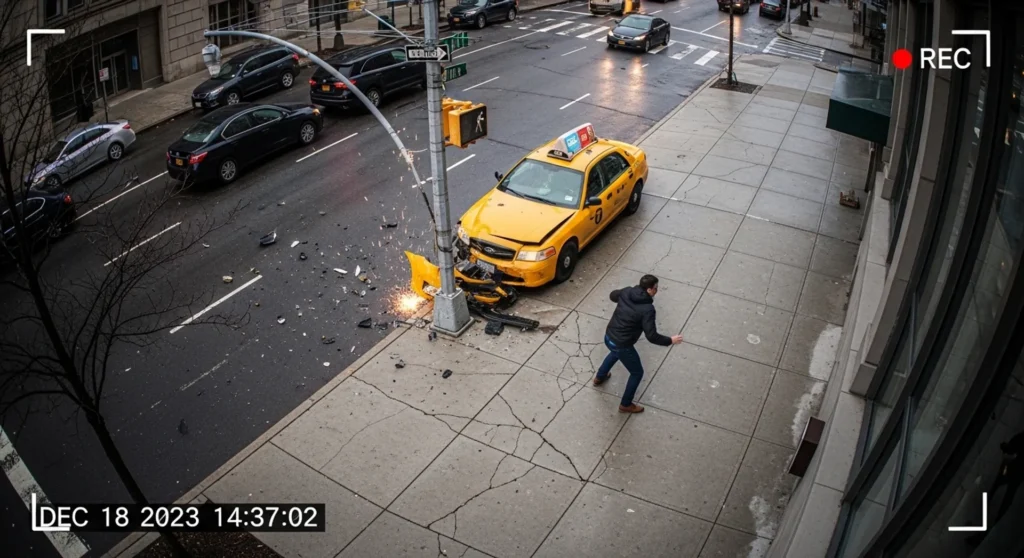
One reason these claims can become strong cases is that they often leave behind a lot of evidence. Many commercial corridors in Los Angeles have surveillance cameras, business security systems, traffic cameras, dashcams, witness phones, and physical scene evidence. That can help establish speed, direction of travel, point of impact, and whether the driver tried to brake or avoid the crash.
This is a strong place to add an internal link to The Role of Evidence in Securing Compensation for LA Car Accident Victims and AI Dashcams and Digital Evidence: How Technology Is Changing Car Accident Claims in Los Angeles.
Important evidence may include:
- Police collision reports
- Surveillance video from businesses
- Dashcam footage
- Vehicle data
- Witness statements
- Photos of skid marks, debris, and impact points
- Medical records
- Property damage records
The sooner this evidence is preserved, the better. Security footage gets overwritten. Witnesses disappear. Vehicles get repaired or moved. The scene changes quickly.
What Victims Should Do After a Sidewalk or Storefront Crash
If you are physically able, or if a loved one is helping after the crash, the first steps matter.
Get medical treatment immediately
Do not assume you are fine because adrenaline is high. Injuries from these crashes can be severe and may worsen fast.
Call law enforcement
A full police report is essential, especially where multiple victims, property damage, or potential criminal issues are involved.
Photograph the scene
Take photos of the vehicle, building impact area, broken glass, sidewalk conditions, property barriers, injuries, and anything else that may explain how the crash happened.
Identify witnesses and nearby businesses
Nearby stores and restaurants may have surveillance footage that is not obvious from the outside.
Do not rush into an insurance statement
These claims can involve multiple insurers and competing stories. The driver’s insurer, a business insurer, or a commercial carrier may all be involved.
This section can naturally link to Top 5 Mistakes to Avoid After a Los Angeles Car Accident and Do I Need a Lawyer After a Car Accident in Los Angeles?.
What Compensation May Be Available?
A successful storefront or sidewalk crash claim may include compensation for:
- Emergency medical bills
- Hospitalization and surgery
- Future treatment and rehabilitation
- Lost wages
- Reduced earning capacity
- Pain and suffering
- Emotional distress
- Permanent disability or disfigurement
- Property losses
In some cases, punitive damages may also become an issue if the crash involved especially reckless conduct, such as DUI or extreme speeding.
This is a good place to link to What Is the Average Settlement for a Car Accident in Los Angeles?.
Why These Cases Need Fast Legal Review
These are not simple claims. A single crash may involve injured pedestrians, bicyclists, business owners, commercial landlords, multiple insurance policies, structural damage, and questions about roadway or property safety. The defense may also argue that a medical emergency caused the event, that another vehicle started the chain reaction, or that the driver was not fully at fault.
That is why early legal review matters. A strong attorney can help preserve surveillance footage, identify every possible source of insurance coverage, investigate whether the property design played a role, and prevent the insurers from narrowing the case too early.
Final Thoughts
Storefront and sidewalk car accidents in Los Angeles are getting more attention in 2026 because they expose how catastrophic a crash can become once a vehicle leaves the road. These incidents are not just property-damage cases. They are often severe injury and wrongful death cases involving victims who had no warning and no protection.
If you or a loved one was injured when a car jumped a curb, struck pedestrians, or crashed into a business, do not treat it like an ordinary car accident. The facts need to be preserved quickly, the insurance issues need to be identified early, and every potentially liable party should be examined before the evidence starts disappearing.
For general roadway safety information affecting pedestrians and people outside vehicles, see the NHTSA pedestrian safety page.